
1st December 2020, the World AIDS Day, people have to be more aware of this because this infection isn't something to joke around. In 2019, around 38 million people world wide have infected with HIV among them there's 690.000 died from it and 1.7 million people are newly infected. It's really something serious and need more awareness of people.
In this Covid-19 Pandemic, its making HIV management become harder. The pandemics interrupted services delivery, disrupting economic making drugs not affordable, and disrupt health workers to give HIV services. to overcome these issues we have several key actions to solve it such as innovate the services, protect health workers, and prioritize the vulnerable.
Following it, here's brief explanation about HIV/AIDS.
HIV (human immunodeficiency virus) is a virus that attacks cells that help the body fight infection, making a person more vulnerable to other infections and diseases. If left untreated, HIV can lead to the disease AIDS (acquired immunodeficiency syndrome). The human body can’t get rid of HIV and no effective HIV cure exists. So, once you have HIV, you have it for life.
The HIV transmitted can be transmitted from body fluids like blood, semen and pre-seminal fluid, rectal fluids, vagina fluids, and breast milk. Mostly HIV transmitted from person to person through vaginal sex and anal sex also through sharing injection equipment. And less common way through mother to child during pregnancy, birth and breastfeeding.
The symptoms of HIV itself is not clear and can't determined a person HIV Positive. The only way to know for sure if you have HIV is to get tested. The stage 1 of HIV acute infection is likely flu symptoms. At stage 2, the virus still multiplies, but at very low levels. People in this stage may not feel sick or have any symptoms. The stage 3, when the HIV isn't treated its developing into AIDS. The symptom of AIDS are:
People infected with HIV can't be cure and they will have HIV for the rest of their life. However, by taking HIV medicine (called antiretroviral therapy or ART), people with HIV can live long and healthy lives and prevent transmitting itto their sexual partners. In addition, there are effective methods to prevent getting HIV through sex or drug use.
That's a brief explanation about HIV/AIDS, hope it can increase our knowledge and awareness of HIV/AIDS itself.
"Enrich Collaboration, Exceed Boundaries"
VIVA AMSA!
reference:
www.hiv.gov
www.who.int


World Diabetes Day (WDD) was created by IDF (International Diabetes Federation) and WHO (World Health Organization) in 1991. It's marked on 14th September to remind us birthday of Sir Frederick Banting who co-discovered insulin with Charles Best in 1922.
This year IDF's WDD had a theme "Diabetes: Nurses Make the Difference". The WDD campaign aims to raise awareness around the crucial role that nurses play in supporting people living with diabetes. Nurses currently make up more than half of the global health workforce, that is 59% of heath workforce (WHO). They do a wonderful job of supporting people living with a variety of health problems. The Nurses played major role in educating and supporting diabetic patient. Those role concluded diagnosing diabetes early to ensure prompt treatment, providing self-management training and psychological support for people with diabetes to help prevent complications, and tackling the risk factors for type 2 diabetes to help prevent the condition.
AMSA-Unhas itself had another theme for WDD, The theme is "Eat Healthy, Keep Diabetes In Check". Unhealthy diet and physical inactivity related to rapid development and urbanisation have led to sharp increases in the numbers of people living with type 2 diabetes. This is the reason AMSA-Unhas pick the theme.
Diabetes is a chronic disease which arises when the pancreas does not produce enough insulin or when the body cannot effectively use insulin. The most common Diabetes in society is type 2 Diabetes for around 90% diabetes cases. This kind of diabetes characterized by insulin resistance, where the body does not fully respond to insulin. Because insulin can't work properly, blood glucose levels continue to rise, releasing more insulin. For some people with type 2 diabetes this can eventually drain the pancreas, resulting in the body producing less insulin, leading to higher blood sugar levels (hyperglycemia).
There's several risk factors of type 2 Diabetes:
From all the risk factors above, AMSA-Unhas WDD's theme this year underlined unhealthy diet or eating physical inactivity. These risk factors are the most modifiable and led a sharp increase of diabetic patients.
The symptoms of type 2 Diabetes can be mild or absent, so patients with type 2 diabetes can live with it for several years without notice it. The symptoms are:
Healthy lifestyle is the best choice for diabetic prevention and management of type 2 diabetes. The healthy lifestyle means healthy diet or eating, regular physical activity, not smoking, and maintaining healthy body weight. .But sometimes the healthy lifestyle can't be enough for diabetes management, so diabetic patients had to consume oral medication. if the oral medication ineffective or insufficient, diabetic patients may require insulin injection.
From the explanation above we hope you can be more aware of type 2 diabetes and can identified the risk factors, symptoms, management and prevention of type 2 diabetes. Keep your and surrounding's health in check so you can free and keep type 2 diabetes in control.
"Enrich Collaboration, Exceed the boundaries!"
VIVA AMSA!
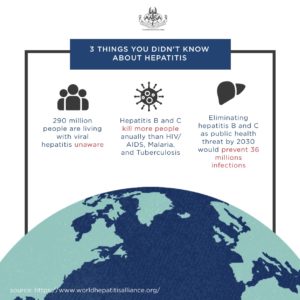

Worldwide, 290 million people are living with viral hepatitis unaware. Without finding the undiagnosed and linking them to care, millions will continue to suffer, and lives will be lost. On July 28, World Hepatitis Day, AMSA-Unhas would like to call people from across the world to take action and raise awareness to find the “missing millions” by sharing information about hepatitis!
WHAT IS HEPATITIS?
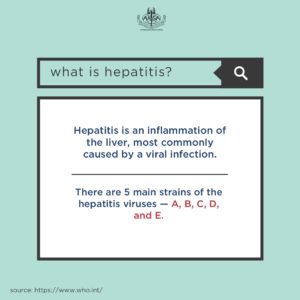
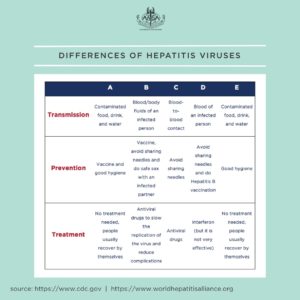
Hepatitis is an inflammation of the liver, most commonly caused by a viral infection. There are five main hepatitis viruses, referred to as types A, B, C, D and E. These five types are of greatest concern because of the burden of illness and death they cause and the potential for outbreaks and epidemic spread. Find out about how each of the different viruses are transmitted, prevented and treated below:
HEPATITIS A
HEPATITIS B
HEPATITIS C
HEPATITIS D
HEPATITIS E
-
Source:
https://www.cdc.gov/
-
“Endlessness Ingenuity, Beyond the Possibility.”
VIVA AMSA!
The 19th June is World Sickle Cell Day – a day of raising awareness!
World Sickle Cell Day is a United Nation’s recognised day to raise awareness of sickle cell at a national and international level. On 22nd December 2008, the United Nations General Assembly adopted a resolution that recognises sickle cell disease as a public health problem and “one of the world’s foremost genetic diseases.”
FACTS ABOUT SICKLE CELL DISORDER
SYMPTOMS OF SICKLE CELL DISORDER
TREATMENT
The only possible cure for the disorder is bone marrow transplant but this is only possible for a limited number of affected individuals who have a suitable donor. As for the sickle cell crisis, they are treated with hydroxyurea or can be with strong painkillers such as morphine to control the pain.
THE SICKLE CELL TRAIT
Sickle cell trait is inherited when only one of your parents has passed on the sickle gene, and will never develop into sickle cell disorder.
The trait is not an illness, but if you are planning to have children, then certain factors have to be considered.
If your partner does not have sickle cell trait, then any children you have will not have sickle cell disorder, but they could have the trait (50% chance).
If you and your partner both have the trait, there is a 25% chance that any child conceived may have sickle cell disorder and 50% chance they will have the trait.

source:
https://www.sicklecelldisease.org/
https://www.sicklecellsociety.org/
Hypertension or elevated blood pressure is a serious medical condition that significantly increases the risk of heart attack, stroke, kidney failure and blindness. It is one of the leading causes of premature death worldwide. Of the estimated 1.13 billion people who have hypertension, fewer than 1 in 5 have it under control. The main contributors to the rise in hypertension are unhealthy diets, physical inactivity and the consumption of alcohol and tobacco. To achieve the global target to reduce the prevalence of hypertension by 25% by 2025, WHO and the United States Centers for Disease Control and Prevention launched the Global Hearts Initiative in 2016.
With its five technical packages – HEARTS (manage cardiovascular diseases), MPOWER (control tobacco), Active (increase physical activity), SHAKE (reduce salt consumption) and REPLACE (eliminate trans fat) – the Initiative aims to improve heart health worldwide. The HEARTS technical package itself gives guidance on more effectively detecting and treating people with hypertension in primary health care. On World Hypertension Day, WHO joins the call for people to “Know Your Numbers”, adopt a healthy lifestyle and stay on treatment as prescribed.
-
Source:
-
“Endlessness Ingenuity, Beyond the Possibility.”
VIVA AMSA!
The kidneys are two bean-shaped organs and each kidney is about the size of a fist. Your kidneys filter extra water and wastes out of your blood and make urine. Kidney disease means your kidneys are damaged and can’t filter blood the way they should. Kidney disease is classed as a non-communicable disease (NCD) and currently affects around 850 million people worldwide. One in ten adults has chronic kidney disease (CKD) and projected to become the 5th most common cause of death globally by 2040.
One main problem is that chronic kidney disease is a major cause of health expenditure, which the costs of dialysis and transplantation require 2–3% of the annual healthcare budget in high-income countries. While, in low-income and middle-income countries, most people with kidney failure have insufficient access to dialysis and kidney transplantation.
Crucially, kidney disease can be prevented or may be delayed to end-stage kidney disease with basic diagnostics and early treatment. This year World Kidney Day calls for everyone to raise awareness of the increasing burden of kidney diseases worldwide and to strive for kidney health for everyone, everywhere. Specifically we want to highlight the importance of preventive intervention.
SO, WHAT IS THE PREVENTIVE INTERVENTION FOR YOUR KIDNEYS?
Here are 8 golden rules to reduce the risk of developing kidney disease.
1. Keep fit, be active. This can help to maintain an ideal body weight, reduce your blood pressure and the risk of Chronic Kidney Disease (CKD)
2. Eat a healthy diet by reducing your salt intake. The recommended sodium intake is around a teaspoon.
3. Check and control your blood sugar. This is especially important for those who are approaching middle age or someone who have high risk factor of diabetes, because about half of people who have diabetes develop kidney damage; but this can be prevented if the diabetes is well controlled
4. Check and control your blood pressure. Same with blood sugar, high blood pressure also can damage your kidneys. Based on WHO, hypertension is diagnosed if the blood pressure is ≥140/90 mmHg, when measured on two different days
5. Take appropriate fluid intake. Normally, the right level of fluid intake is about 2 liters per day for a healthy person. But, it actually depends on many factors including exercise, climate, health conditions, etc.
6. Don’t smoke, because smoking slows the flow of blood to the kidneys. When less blood reaches the kidneys, it can decrease their ability to function normally.
7. Don’t take over-the-counter anti-inflammatory/pain-killer pills regularly. Common drugs such as non-steroidal anti-inflammatory (NSAIDS)/ pain-killer can harm the kidneys if taken regularly.
8. Get your kidney function checked if you have one or more of the high risk factors: diabetes, hypertension, obese, family history of kidney disease
HOW CAN I TELL IF I HAVE KIDNEY DISEASE?
Early kidney disease usually doesn’t have any symptoms until it is advanced. Signs of advancing CKD include swollen ankles, fatigue, difficulty concentrating, decreased appetite, blood in the urine and foamy urine.
That is why, testing is the only way to know how well your kidneys are working. You should get checked for kidney disease if you have one or more high risk factors of kidney disease. The sooner you know you have kidney disease, the sooner you can get treatment to delay the advanced kidney disease.
WHAT IF MY KIDNEY FAIL?
Some people live with kidney disease for years and are able to maintain kidney function. Kidney failure means that your kidneys have lost about less than 15 percent of normal kidney function. If your kidney function drops to this level, you may have symptoms from the buildup of waste products and extra water in your body.
To replace your lost kidney function, you may have one of three treatment options:
• hemodialysis
• peritoneal dialysis
• kidney transplant
Some people with kidney failure choose not to have dialysis or a transplant but continue to receive care from their health care team, take medicines, and monitor their diet and lifestyle choices. So, you can just work with your health care team and family to consider your options and choose a treatment that is right for you!
EATING RIGHT FOR KIDNEY DISEASE
You may need to change what you eat to manage your kidney disease. Work with a registered dietitian to develop a meal plan that includes foods that you enjoy eating while maintaining your kidney health. We hope that the steps below will help you eat right as you manage your kidney disease.
Step 1: Choose and prepare foods with less salt and sodium
Cook foods from scratch instead of eating prepared foods, fast foods, frozen dinners, and canned foods that are higher in sodium. Your diet should contain less than 2300 mg of sodium each day. So, when you prepare your own food, you can control what goes into it.
Step 2: Eat the right amount and the right types of protein
Eating more protein than you need may make your kidneys work harder to remove the waste. So, you need to eat small portions of protein foods. Also, you need to know that protein is found in foods from plants and animals. Most people eat both types of protein. But, we suggest you to talk to your dietitian about how to choose the right combination of protein foods for you.
Step 3: Choose foods that are healthy for your heart
To help keep fat from building up in your blood vessels heart and kidneys, try to:
• Grill, broil, bake, roast, or stir-fry foods, instead of deep frying.
• Cook with nonstick cooking spray or a small amount of olive oil instead of butter.
• Trim fat from meat and remove skin from poultry before eating.
• Try to limit saturated and trans fats.
• Limit alcohol
-
Sources:
https://www.niddk.nih.gov/
-
“Endlessness Ingenuity, Beyond the Possibility.”
VIVA AMSA!
“The more we know about cancer, the more lives we can save”
World Cancer Day is always marked on February 4th, and on this day, AMSA-Unhas wants to speak up an undestanding about cancer.
WHAT IS CANCER?
Cancer is a disease which occurs when changes in a group of normal cells within the body lead to uncontrolled, abnormal growth forming a lump called a tumour; this is true of all cancers except leukaemia (cancer of the blood). If left untreated, tumours can grow and spread into the surrounding normal tissue, or to other parts of the body via the bloodstream and lymphatic systems, and can affect the digestive, nervous and circulatory systems or release hormones that may affect body function.
WHAT ARE THE CAUSES OF CANCER?
Cancers can be caused by a number of different factors. But it is important to remember that, while some factors cannot be modified, around one third of cancer cases can be prevented by reducing behavioural and dietary risks. Here are some modifiable and non-modifiable risk factors of cancer:
Modifiable risk factors:
Alcohol – Alcohol can increase the risk of six types of cancers, including bowel (colorectal), breast, mouth, pharynx and larynx (mouth and throat), oesophageal, liver and stomach.
Being overweight or obese – excess weight has been linked to an increased risk of developing 12 different cancers, including bowl and pancreatic cancers. In general, greater weight gain, particularly as adults, is associated with greater cancer risks.
Diet and nutrition – Experts suggest that diets and nutritional intake, particularly diets high in red meats, processed meats, salted foods and low in fruits and vegetables have an impact on cancer risks, particularly colorectum, nasopharynx and stomach
Physical activity – regular physical activity not only helps to reduce excess body fat and the cancer risks associated with this, but being physically active can help to reduce the risks of developing colon, breast and endometrial cancers
Tobacco – Tobacco smoke contains at least 80 different cancer-causing substances (carcinogenic agents). When smoke is inhaled the chemicals enter the lungs, pass into the blood stream and are transported throughout the body.This is why smoking or chewing tobacco not only causes lung and mouth cancers but is also related to many other cancers. Currently tobacco use is responsible for around 22% of cancer deaths[7].
Ionising radiation – Man made sources of radiation can cause cancer and are a risk for workers. Including radon, x-rays, gamma rays and other forms of high-energy radiation. Prolonged and unprotected exposure to ultraviolet radiations from the sun, sunlamps and tanning beds can also lead to melanoma and skin malignancies. Fair skinned people, individuals with a lot of moles or who have a family history of melanoma or non-melanoma skin cancer, are at highest risk. However, people of all skin tones can develop skin cancer, including individuals with darker skin[9].
Work place hazards – Some people risk being exposed to a cancer-causing substance, such as workers in the chemical dye industry.
Infection – Infectious agents are responsible for around 2.2 million cancer deaths annually. This does not mean that these cancers can be caught like an infection; rather the virus can cause changes in cells that make them more likely to become cancerous.
Non-modifiable risk factors:
Age – Many types of cancer become more prevalent with age. The longer people live, the more exposure there is to carcinogens and the more time there is for genetic changes or mutations to occur within their cells.
Cancer-causing substances (carcinogens) – are substances which change how a cell behaves, increasing the chances of developing cancer
Genetics – Some people are unfortunately born with a genetically inherited high risk for a specific cancer (genetic predisposition) which makes the disease more likely.
The immune system – People who have weakened immune systems are more at risk of developing some types of cancer. This includes people who have had organ transplants and take drugs to suppress their immune systems, people who have HIV or AIDS, or other medical conditions which reduce their immunity to disease.
SIGNS AND SYMPTOMS OF CANCER
The sign and symptoms are varied and depend on where the disease is located. However, there are some key of the signs:
Unusual lumps or swelling – cancerous lumps are often painless and may increase in size as the cancer progresses
Coughing, breathlessness or difficulty swallowing
Changes in bowel habit – such as constipation and diarrhoea and/or blood found in the stools
Unexpected bleeding – includes bleeding from the vagina, anal passage, or blood found in stools, in urine or when coughing
Unexplained weight loss – a large amount of unexplained and unintentional weight loss over a couple of months
Fatigue – which shows itself as extreme tiredness and a severe lack of energy.
Pain or ache – includes unexplained or ongoing pain
New mole or changes to a mole – look for changes in size, shape, or colour and if it becomes crusty or bleeds
Complications with urinating – includes needing to urinate urgently and more frequently
Unusual breast changes – look for changes in size, shape or feel, skin changes and pain
Appetite loss – feeling less hungry than usual for a prolonged period of time
A sore or ulcer that won’t heal – including a spot, sore wound or mouth ulcer
Heartburn or indigestion – persistent or painful heartburn or indigestion
Heavy night sweats –very heavy and drenching night sweats
-
"Endlessness Ingenuity, Beyond the Possibility"
VIVA AMSA!
-
Sources:
www.worldcancerday.org
www.who.int
The number of cases of patients infected with the new coronavirus as of January 24th has gone up to 1287, while there are now 13 places outside mainland China reported their first confirmed cases of coronavirus. In Indonesia, The Health Ministry's disease prevention and monitoring director, Wiendra Waworuntu, confirmed that an Indonesian citizen was suspected to have the coronavirus after travelling from China.
Here's what you need to know about corona virus!
WHAT IS A CORONAVIRUS?
The Wuhan virus belongs to a family of viruses known as coronaviruses. These viruses, named for the crown-like spikes on their surfaces, infect mostly bats, pigs and small mammals. But they mutate easily and can jump from animals to humans, and from one human to another. In recent years, they have become a growing player in infectious-disease outbreaks world-wide.
HOW IS THE VIRUS SPREAD AMONG HUMANS?
Seven strains are known to infect humans, including the virus in Wuhan. They can be spread by coughing, kissing or making contact with saliva, Chinese officials say. Four of the strains cause common colds. Two other strains, however, have been extremely deadly: Severe acute respiratory syndrome, known as SARS, and Middle East respiratory syndrome, or MERS, are coronaviruses.
WHAT ARE THE SYMPTOMS OF ILLNESS AND HOW DO YOU KNOW IF YOU HAVE IT?
Patients have had a fever, cough and other symptoms of pneumonia. Public-health officials have developed diagnostic tests, which are being used to confirm whether a patient has the Wuhan coronavirus or another infection. Five major airports in the U.S. are screening arriving international travelers for fever; those who have one are then screened for other symptoms.
HOW DOES THE SEVERITY OF THE WUHAN VIRUS COMPARE WITH SARS AND MERS
So far, the Wuhan virus appears to be milder than SARS or MERS, though it has sickened some people severely and there have been deaths. MERS killed about a third of those infected, while SARS resulted in the deaths of about one in 10. By contrast, the mortality rate from the Wuhan virus is tracking at roughly 3%. Many patients who have died were over 60 years old, had other illnesses such as diabetes and were admitted to hospitals when their illness was advanced.
PREVENTION
If traveling to Wuhan, you should avoid contact with sick people, avoid dead or alive animals, animal markets or products that come from animals such as uncooked meat, according to the CDC. You should often wash hands with soap and water for at least 20 seconds, they wrote. If you are infected by the virus you can take steps to help avoid transmitting it to others such as isolating yourself at home, separating yourself from other people in the house, wearing a face mask, covering your coughs and sneezes and washing your hands, according to the CDC.
-
"Endlessness Ingenuity, Beyond the Possibility."
VIVA AMSA!
-
Sources:
www.ncbi.nlm.nih.gov
www.wsj.com
Ever since the first cases of AIDS in the early 1980s, people with HIV have been stigmatized, such as HIV is a life-threatening illness (which is correct, if undiagnosed and unmanaged), or HIV can be transmitted through social contact, or even some people have strong views about sexual behavior and social groups that are most affected by HIV such as women, gay men or people who use drugs, etc.
These stigma leads to people living with HIV not being treated with dignity and respect. They often feel nervous about telling others that they have HIV. This can lead to isolation and feeling unsupported, which can have a significant impact on health and wellbeing.
On this HIV/AIDS Awareness Month, AMSA-Unhas would like to celebrate it by sharing some information towards HIV/AIDS to reduce the stigma.
WHAT IS HIV?
Human Immunodeficiency Virus (HIV) is a virus that attacks the immune system that are vital to immune respones; white blood cells known as CD4 cells or T-helper cells. The final stage of HIV is Acquired Immunodeficiency Syndrome (AIDS), in which fewer than 200 CD4 cells per cubic millimeter are present, rather than the usual 500 to 1,600 per cubic millimeter.
THE BASIC OF HIV PREVENTION
Anyone can get HIV, but here are some key points for you to take steps to protect youself from HIV correctly:
• Get tested, know your partner’s HIV status and choose less risky sexual behavior
• HIV is spread only in certain body fluids from a person who has HIV. These fluids are blood, semen, pre-seminal fluids, rectal fluids, vaginal fluids, and breast milk.
• In the United States, HIV is spread mainly by having sex or sharing injection drug equipment, such as needles, with someone who has HIV.
• To reduce your risk of HIV infection, use condoms correctly every time you have sex and also limit your number of sexual partners
• Don’t inject drugs. If you do, use only sterile injection equipment and water and never share your equipment with others.
• If you don’t have HIV but are at high risk of becoming infected with HIV, talk to your health care provider about pre-exposure prophylaxis (PrEP). PrEP involves taking a specific HIV medicine every day to reduce the risk of HIV infection.
• BUT IF, you’re HIV positive and your partner is HIV negative, you can still protect your partner from HIV by taking medicines daily (HIV medicines called antiretroviral therapy/ART). It helps people with HIV live longer and healthier lives. ART can't cure HIV infection, but it can reduce the amount of HIV in the body. Don’t forget to use condoms correctly every time you have sex, talk to your partner about taking PrEP, and if you inject drugs, don't share your needles, syringes, or other drug equipment with your partner.
So, let’s stop the stigma of HIV, because being HIV positive is not a crime!
-
Source:
https://www.hiv.gov/
https://aidsinfo.nih.gov/
-
“Endlessness Ingenuity, Beyond the Possibility.”
VIVA AMSA!
14th November is always marked as WDD (World Diabetes Day). WDD was created in 1991 by International Diabetes Federation (IDF) and the World Health Organization (WHO) in response to growing concerns about the health threat posed by diabetes.
WDD is the world’s largest diabetes awareness campaign reaching a global audience of over 160 countries. The campaign draws attention to issues of diabetes and to keep diabetes firmly in the public spotlight. IDF with WHO aims to promote the importance of taking concerted actions to confront diabetes as a global health issue. The campaign is represented by a blue circle logo, which signifies the unity of the global diabetes community.
Every year, the World Diabetes Day campaign focuses on a theme that runs for one or more years. This year, International Diabetes Federation raise the theme “Family and Diabetes” for World Diabetes Day 2019. Along with it, AMSA-Unhas would like to raise awareness of the impact that diabetes has on the family, promoting the role of the family in the management, prevention and education of diabetes.
A research conducted by IDF in 2018 discovered that four in five parents would have trouble to spot and recognizing the warning signs of diabetes. That is why, families are urged to learn about diabetes, and AMSA-Unhas is here to help you know more about diabetes, in 3 main focus areas:
1. Discover diabetes
2. Types of diabetes and type 2 diabetes
3. Management of diabetes
WHAT IS DIABETES?
Diabetes is a chronic disease that occurs when the pancreas is no longer able to make insulin, or when the body cannot use the produced insulin effectively. Insulin is a hormone that let glucose from the food we ate pass from the blood stream into the cells to produce energy. All carbohydrate foods are broken down into glucose in the blood. In short, insulin helps glucose get into the cells. So, not being able to produce insulin or use it effectively leads to raise glucose levels in the blood (known as hyperglycaemia). While, the long-term high glucose levels could lead to the damage and failure of various organs and tissues.
TYPES OF DIABETES
There are three main types of diabetes – type 1, type 2 and gestational.
• Type 1 diabetes can develop at any age, but occurs most frequently in children and adolescents. When you have type 1 diabetes, your body produces very little or no insulin.
• Type 2 diabetes is more common in adults. When you have type 2 diabetes, your body does not make good use of the insulin that it produces.
• Gestational diabetes (GDM) is a type of diabetes that consists of high blood glucose during pregnancy and is associated with complications to both mother and child.
Of all three types of diabetes, type 2 diabetes is the most common type of diabetes (for around 90% of all diabetes cases). It is generally characterized by insulin resistance, where the body does not fully respond to insulin. Type 2 diabetes is most commonly diagnosed in older adults, but is increasingly seen in children, adolescents and younger adults. So, what are the RISK FACTORS of type 2 diabetes?
1. Family history of diabetes
2. Overweight
3. Unhealthy diet
4. Physical inactivity
5. Increasing age
6. High blood pressure
7. Ethnicity
8. Impaired glucose tolerance (IGT)
9. History of gestational diabetes
10. Poor nutrition during pregnancy
SYMPTOMS OF TYPE 2 DIABETES
• Excessive thirst and dry mouth
• Frequent urination
• Lack of energy, tiredness
• Slow healing wounds
• Recurrent infections in the skin
• Blurred vision
• Tingling or numbness in hands and feet.
But, these symptoms can be mild or absent. That is why, people with type 2 diabetes may live several years with the condition before being diagnosed.
MANAGEMENT OF TYPE 2 DIABETES
The key of managing type 2 diabetes is a healthy lifestyle, which includes a healthy diet, regular physical activity, not smoking, and maintaining a healthy body weight. But overtime, a healthy lifestyle may not be enough to keep blood glucose levels under control and people with type 2 diabetes may need to take oral medication or combination therapy options may be prescribed.
PREVENTION OF TYPE 2 DIABETES
Research indicates that a majority of cases, up to 80% of type 2 diabetes could be prevented through healthy diet and regular physical activity. A healthy diet includes reducing the amount of calories if you are overweight, replacing saturated fats (eg. cream, cheese, butter) with unsaturated fats (eg. avocado, olive and vegetable oils), eating dietary fibre (eg. fruit, vegetables), and avoiding tobacco use, excessive alcohol and added sugar. Besides, regular physical activity is essential to help keep blood glucose levels under control.
Now that you got education, detecting diabetes would be easier. So, let’s protect yourself and your family by detecting diabetes earlier and prevent for its complications!
-
14 November selalu ditandai sebagai WDD (Hari Diabetes Sedunia). WDD diciptakan pada tahun 1991 oleh International Diabetes Federation (IDF) dan World Health Organization (WHO) sebagai tanggapan terhadap kekhawatiran yang berkembang tentang ancaman kesehatan yang ditimbulkan oleh diabetes.
WDD adalah kampanye kesadaran diabetes terbesar di dunia yang menjangkau khalayak global lebih dari 160 negara. Kampanye ini untuk mengangkat isu-isu diabetes dan untuk menjaga diabetes tetap dalam jangkauan publik. IDF dengan WHO bertujuan untuk mempromosikan pentingnya mengambil tindakan bersama untuk menghadapi diabetes sebagai masalah kesehatan global. Kampanye ini ditandai oleh logo lingkaran biru, yang menandakan persatuan komunitas diabetes global.
Setiap tahun, kampanye Hari Diabetes Sedunia berfokus pada tema yang berjalan selama satu tahun atau lebih. Tahun ini, International Diabetes Federation mengangkat tema "Keluarga dan Diabetes" untuk Hari Diabetes Sedunia 2019. Bersamaan dengannya, AMSA-Unhas ingin meningkatkan kesadaran akan dampak diabetes pada keluarga, mempromosikan peran keluarga dalam manajemen, pencegahan dan edukasi tentang diabetes.
Sebuah penelitian yang dilakukan oleh IDF pada tahun 2018 menemukan bahwa empat dari lima orang tua akan mengalami kesulitan untuk mengenali dan mengenali tanda-tanda peringatan diabetes. Itu sebabnya, keluarga didesak untuk belajar tentang diabetes, dan AMSA-Unhas ada di sini untuk membantu Anda mengetahui lebih banyak tentang diabetes, di 3 area fokus utama:
1. Pengetahuan tentang diabetes
2. Jenis diabetes dan diabetes tipe 2
3. Penatalaksanaan diabetes
Apa itu Diabetes?
Diabetes adalah penyakit kronis yang terjadi ketika pankreas tidak lagi mampu membuat insulin, atau ketika tubuh tidak dapat menggunakan insulin yang diproduksi. Insulin adalah hormon yang mengubah glukosa dari makanan yang kita makan masuk dari aliran darah ke dalam sel untuk menghasilkan energi. Semua makanan karbohidrat dipecah menjadi glukosa dalam darah. Singkatnya, insulin membantu glukosa masuk ke dalam sel. Jadi, tidak mampu memproduksi insulin atau menggunakannya secara efektif menyebabkan peningkatan kadar glukosa dalam darah (umumnya dikenal sebagai hiperglikemia). Sementara, kadar glukosa tinggi dalam jangka panjang dapat menyebabkan kerusakan dan kegagalan berbagai organ dan jaringan.
JENIS DIABETES
Ada tiga jenis utama diabetes - tipe 1, tipe 2 dan gestasional.
• Diabetes tipe 1 dapat berkembang pada usia berapa pun, tetapi paling sering terjadi pada anak-anak dan remaja. Ketika Anda memiliki diabetes tipe 1, tubuh Anda memproduksi sangat sedikit atau bahkan tidak ada insulin.
• Diabetes tipe 2 lebih sering terjadi pada orang dewasa. Ketika Anda menderita diabetes tipe 2, tubuh Anda tidak menggunakan insulin yang dihasilkannya dengan baik.
• Diabetes gestasional (GDM) adalah jenis diabetes yang terdiri dari glukosa darah tinggi selama kehamilan dan dapat dikaitkan dengan komplikasi pada ibu dan anak.
Dari ketiga jenis diabetes, diabetes tipe 2 adalah jenis diabetes yang paling umum terjadi (yaitu sekitar 90% dari semua kasus diabetes). Umumnya ditandai oleh resistensi insulin, di mana tubuh tidak sepenuhnya menanggapi insulin. Diabetes tipe 2 paling sering didiagnosis pada orang dewasa yang lebih tua, tetapi semakin terlihat pada anak-anak, remaja dan orang dewasa yang lebih muda. Jadi, apa saja faktor-faktor risiko dari diabetes tipe 2?
1. Riwayat keluarga diabetes
2. Kegemukan
3. Diet yang tidak sehat
4. Ketidakaktifan fisik
5. Bertambahnya usia
6. Tekanan darah tinggi
7. Etnisitas
8. Toleransi glukosa terganggu (IGT)
9. Riwayat diabetes gestasional
10. Gizi buruk selama kehamilan
GEJALA DIABETES TIPE 2
• Rasa haus yang berlebihan dan mulut kering
• Sering buang air kecil
• Kurang energi, kelelahan
• Luka penyembuhan lambat
• Infeksi berulang pada kulit
• Penglihatan kabur
• Kesemutan atau mati rasa di tangan dan kaki.
Tetapi, gejala-gejala ini seringkali bersifat ringan atau bahkan tidak ada. Itu sebabnya, penderita diabetes tipe 2 dapat hidup beberapa tahun dengan kondisi seperti ini sebelum didiagnosis.
MANAJEMEN DIABETES TIPE 2
Kunci manajemen diabetes tipe 2 adalah gaya hidup sehat, yang meliputi diet sehat, aktivitas fisik teratur, tidak merokok, dan menjaga berat badan yang sehat. Tetapi seringkali, gaya hidup sehat mungkin tidak cukup untuk menjaga kadar glukosa darah tetap terkendali dan penderita diabetes tipe 2 mungkin perlu minum obat oral atau pilihan terapi kombinasi.
PENCEGAHAN DIABETES TIPE 2
Penelitian menunjukkan bahwa sebagian besar kasus, hingga 80% dari diabetes tipe 2 dapat dicegah melalui diet sehat dan aktivitas fisik teratur. Diet sehat termasuk mengurangi jumlah kalori jika Anda kelebihan berat badan, mengganti lemak jenuh (mis. Krim, keju, mentega) dengan lemak tak jenuh (mis. Alpukat, minyak zaitun dan minyak nabati), makan serat makanan (mis. Buah, sayuran) , dan menghindari penggunaan tembakau, alkohol berlebihan dan gula tambahan. Selain itu, aktivitas fisik teratur sangat penting untuk membantu menjaga kadar glukosa darah tetap terkendali.
Sekarang setelah Anda mendapatkan edukasi, mendeteksi diabetes akan lebih mudah. Jadi, mari lindungi diri Anda dan keluarga dengan mendeteksi diabetes lebih awal dan mencegah komplikasinya!
-
Source: https//www.idf.org
-
“Endlessness Ingenuity, Beyond the Possibility.”
VIVA AMSA!
World Mental Health Day, on 10th October, is a day for us to unite in our efforts to improve the mental health of people around the world. This year, WHO selected the theme “Suicide Prevention” for World Mental Health Day 2019.
Along with it, AMSA-Unhas also would like to raise awareness of the scale of suicide and the role that each of us can play to help prevent it, started on today!
If you are wondering about why should we take a part on this #WorldSuicidePreventionDay? It is because..
1. Suicides are preventable
2. Suicide affects people of all age groups in all countries
3. Suicide is the second leading cause of death among 15-29 year-olds
4. Close to 800 000 people die due to suicide every year, which is one person every 40 seconds
That’s why, AMSA-Unhas is here to encourage you to take “40 seconds of action”. Everyone can take part in whichever way makes most sense. Your activity may be private for example, initiating a conversation or sharing a message of hope with someone you are worried about; or it may be public for example, you post a video message about action towards this issue.
Or maybe, here are some more ideas:
1. If you are the one who is struggling, take 40 seconds to start a conversation with someone you trust about your feeling.
2. If you know someone who has lost a loved one to suicide, take 40 seconds to start a conversation and ask them how they are doing.
3. If you work in media, highlight the 40-second statistic in interviews, articles and blogspots.
4. If you work in the arts or on digital platforms, interrupt your production or broadcast to transmit a 40-second message about mental health or preventing suicide.
5. If you are an employer or manager, take 40 seconds to formulate a positive message of support to your employees about resources available to them in the workplace
6. If you want your leaders to hear your request for action, record a 40-second audio clip or video telling them the action you want them to take on suicide prevention and mental health.
7. If you have a platform for communicating with a large audience (social media, television, radio), provide 40-second slots for sharing mental health stories and messages.
8. If you hold political office, communicate publicly about action you are taking to promote mental health and prevent suicide, highlighting the 40-second statistic.
So, let’s contribute, take a little part and show that you care.
-
Hari Kesehatan Mental Sedunia, pada tanggal 10 Oktober, adalah hari bagi kita untuk bersatu dalam upaya meningkatkan kesehatan mental orang-orang di seluruh dunia. Tahun ini, WHO memilih tema “Pencegahan Bunuh Diri” untuk Hari Kesehatan Mental Sedunia 2019.
Bersamaan dengan itu, AMSA-Unhas juga ingin meningkatkan kesadaran tentang tingginya skala bunuh diri dan peran yang masing-masing orang dapat lakukan sejak hari ini untuk mencegah kejadian bunuh diri.
Jika Anda bertanya-tanya mengapa Anda harus ikut serta dalam #WorldSuicidePreventionDay ini? Ini karena..
1. Bunuh diri dapat dicegah
2. Bunuh diri mempengaruhi orang-orang dari semua kelompok umur di semua negara
3. Bunuh diri adalah penyebab utama kematian kedua di antara usia 15-29 tahun
4. Satu orang meninggal karena bunuh diri setiap 40 detik
Itu sebabnya, AMSA-Unhas ada di sini untuk mendorong Anda melakukan "40 seconds of action". Setiap orang dapat mengambil bagian dengan cara apapun. Cara Anda mengambil bagian bisa bersifat pribadi misalnya, memulai percakapan atau berbagi pesan harapan dengan seseorang yang Anda khawatirkan; atau mungkin bersifat publik misalnya, Anda memposting pesan video tentang tindakan terhadap masalah ini.
Atau mungkin, tindakan-tindakan seperti:
1. Jika Anda adalah orang yang “sedang dalam masalah”, luangkan 40 detik untuk memulai percakapan dengan seseorang yang Anda percayai tentang perasaan Anda.
2. Jika Anda mengenal seseorang yang kehilangan orang yang dicintainya karena bunuh diri, luangkan 40 detik untuk memulai percakapan dan tanyakan kepada mereka bagaimana keadaan mereka.
3. Jika Anda bekerja di media, luangkanlah waktu 40 detik untuk mencari statistic bunuh diri dalam wawancara, artikel, dan blogspot.
4. Jika Anda bekerja di bidang seni atau platform digital, ambil sedikit waktu produksi atau siaran Anda untuk mengirimkan pesan 40 detik tentang kesehatan mental atau mencegah bunuh diri.
5. Jika Anda adalah seorang manajer, luangkan 40 detik untuk merumuskan pesan positif dukungan kepada karyawan Anda tentang sumber daya yang tersedia bagi mereka di tempat kerja
6. Jika Anda ingin para pemimpin Anda mendengar permintaan tindakan Anda, rekam klip audio atau video 40 detik yang memberi tahu mereka tindakan yang Anda inginkan agar mereka lakukan pencegahan bunuh diri dan kesehatan mental.
7. Jika Anda memiliki platform untuk berkomunikasi dengan audiens yang besar (media sosial, televisi, radio), berikan slot 40 detik untuk berbagi cerita dan pesan kesehatan mental.
8. Jika Anda memegang jabatan politik, komunikasikan kepada publik tentang tindakan yang Anda ambil untuk meningkatkan kesehatan mental dan mencegah bunuh diri.
Jadi, mari berkontribusi, ambil bagian kecil dan tunjukkan bahwa Anda peduli.
Source: https://www.who.int/
“Endlessness Ingenuity, Beyond the Possibility.”
VIVA AMSA!
Cardiovascular disease is the world’s number one killer today. But it doesn’t need to be this way. By making just a few small changes to our lives, we can reduce our risk of heart disease and stroke, as well as improving our quality of life. It’s about saying to yourself, the people you care about and individuals all around the world: “What can I do right now to look after my heart, your heart and our heart?”
So, on this World Heart Day, AMSA-Unhas would like to ensure heart health equity for all, we want to create a global community of Heart Heroes. People from all ages of life should live longer, better, heart-healthy lives by making a simple promise;
1.A promise to our families to cook and eat more healthily. Try to limit saturated fats, foods high in sodium, and added sugars. Eat plenty of fresh fruit, vegetables, and whole grains.
2. A promise to our children to exercise more and help them to be more active, to say no to smoking and help our loved ones to stop.
Exercise has many benefits, including strengthening your heart and improving your circulation. It can also help you maintain a healthy weight and lower cholesterol and blood pressure. All of these can lower your risk of heart disease.
Also remember that, don’t smoke! Cigarette smoking raises your blood pressure and puts you at higher risk for heart attack and stroke. If you do not smoke, do not start. If you do smoke, quitting will lower your risk for heart disease. You can talk with your health care provider for help in finding the best way for you to quit.
3. A promise as a healthcare professional to help patients give up smoking and lower their cholesterol
High levels of cholesterol can clog arteries and raise the risk of coronary artery disease and heart attack. But! If it’s already high, lifestyle changes and medicines (if needed) can lower cholesterol.
4. A promise as a citizen to invest a heart healthy places. How? Don’t smoke and control your blood pressure. High blood pressure is a major risk factor for heart disease. It is important to get your blood pressure checked regularly - at least once a year for most adults, and more often if you have high blood pressure. Take steps, including lifestyle changes.
-
Penyakit kardiovaskular adalah pembunuh nomor satu di dunia saat ini. Meski demikian, hal tersebut bisa kita atasi. Dengan membuat beberapa perubahan kecil dalam hidup, kita dapat mengurangi risiko penyakit jantung dan stroke, serta meningkatkan kualitas hidup kita. Ini bagaikan mengatakan kepada diri sendiri, orang-orang yang kita sayangi, dan individu-individu lain di seluruh dunia: "Apa yang bisa saya lakukan sekarang untuk menjaga jantung saya, jantung Anda dan jantung kita semua?"
Jadi, pada Hari Jantung Sedunia ini, AMSA-Unhas ingin memastikan kesetaraan kesehatan jantung untuk semua orang, kami ingin menciptakan komunitas global ‘Heart Heroes’. Dengan ini, kami berharap, orang-orang dari segala usia dapat hidup lebih lama, lebih baik, dan memiliki jantung yang sehat dengan membuat janji sederhana seperti di bawah ini;
1. Sebuah janji kepada keluarga untuk memasak dan memakan makanan yang lebih sehat. Cobalah untuk membatasi makanan yang mengandung lemak jenuh, sodium, gula berlebih. Sebagai gantinya, makanlah lebih banyak buah segar, sayur-sayuran, dan biji-bijian.
2. Sebuah janji kepada anak-anak kita untuk lebih banyak berolahraga dan membantu mereka menjadi lebih aktif, untuk mengatakan ‘tidak’ pada merokok dan membantu orang yang kita cintai untuk berhenti merokok.
Hal ini karena olahraga memiliki banyak manfaat, termasuk menguatkan jantung dan meningkatkan sirkulasi darah dalam tubuh Anda. Olahraga juga dapat membantu Anda mempertahankan berat badan yang sehat dan menurunkan kolesterol serta tekanan darah. Semua ini dapat menurunkan risiko penyakit jantung.
Perlu diingat juga, jangan pernah merokok! Merokok dapat meningkatkan tekanan darah Anda dan meningkatkan risiko untuk terkena serangan jantung dan stroke. Jika Anda tidak merokok, jangan pernah mencoba untuk melakukannya. Namun, jika Anda sudah terlanjur merokok, usahakanlah untuk berhenti merokok sehingga dapat menurunkan risiko penyakit jantung. Anda dapat berkonsultasi dengan tenaga pelayanan kesehatan untuk mendapatkan bantuan dalam menemukan cara terbaik bagi Anda untuk berhenti merokok.
3. Janji sebagai seorang tenaga kesehatan untuk membantu pasien berhenti merokok dan menurunkan kolesterol mereka.
Sebab, kadar kolesterol yang tinggi dapat menyumbat arteri dan meningkatkan risiko penyakit jantung koroner dan serangan jantung. Tapi, jika kadar kolesterol pasien sudah terlanjur tinggi, perubahan gaya hidup dan obat-obatan (jika diperlukan) dapat menjadi pilihan.
4. Sebuah janji sebagai warga negara yang baik untuk turut berinvestasi menciptakan lingkungan untuk jantung yang sehat. Bagaimana caranya? Jangan merokok dan kontrollah tekanan darah Anda. Tekanan darah tinggi adalah faktor risiko utama penyakit jantung. Penting untuk memeriksakan tekanan darah Anda secara teratur - setidaknya setahun sekali untuk orang dewasa secara umum, dan lebih sering lagi jika Anda memiliki riwayat tekanan darah tinggi. Ambillah langkah-langkah yang tepat, termasuk perubahan gaya hidup.